SLATNAR
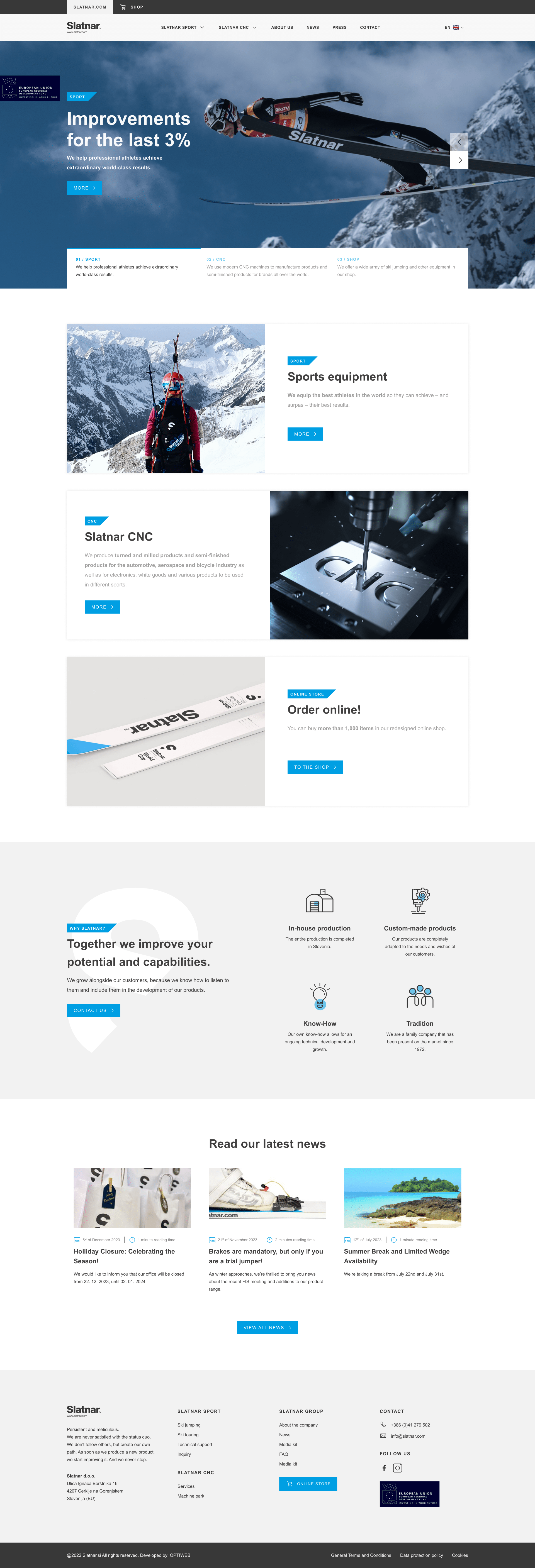
Design of the brand-new website and web store

Project overview
Client: Slatnar d.o.o., & Optiweb d.o.o.
Project manager: Robert Fras (Optiweb)
Design: Rok Rode
Tools: Figma, Adobe Photoshop & Illustrator
While working with Optiweb, I had the great pleasure of redesigning the company’s website and web store.
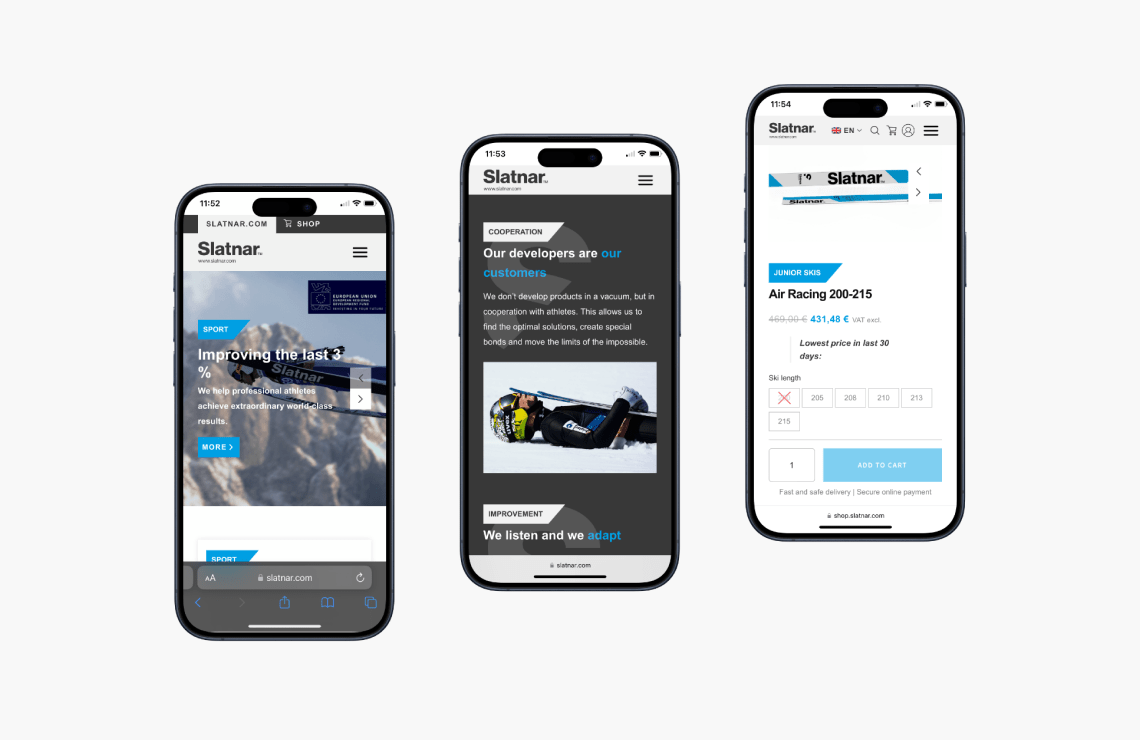
The company’s old website suffered from an outdated design, unclear and hard-to-find information, slow load times, minimal product descriptions, and low-quality images. Additionally, it was not optimized for mobile devices.
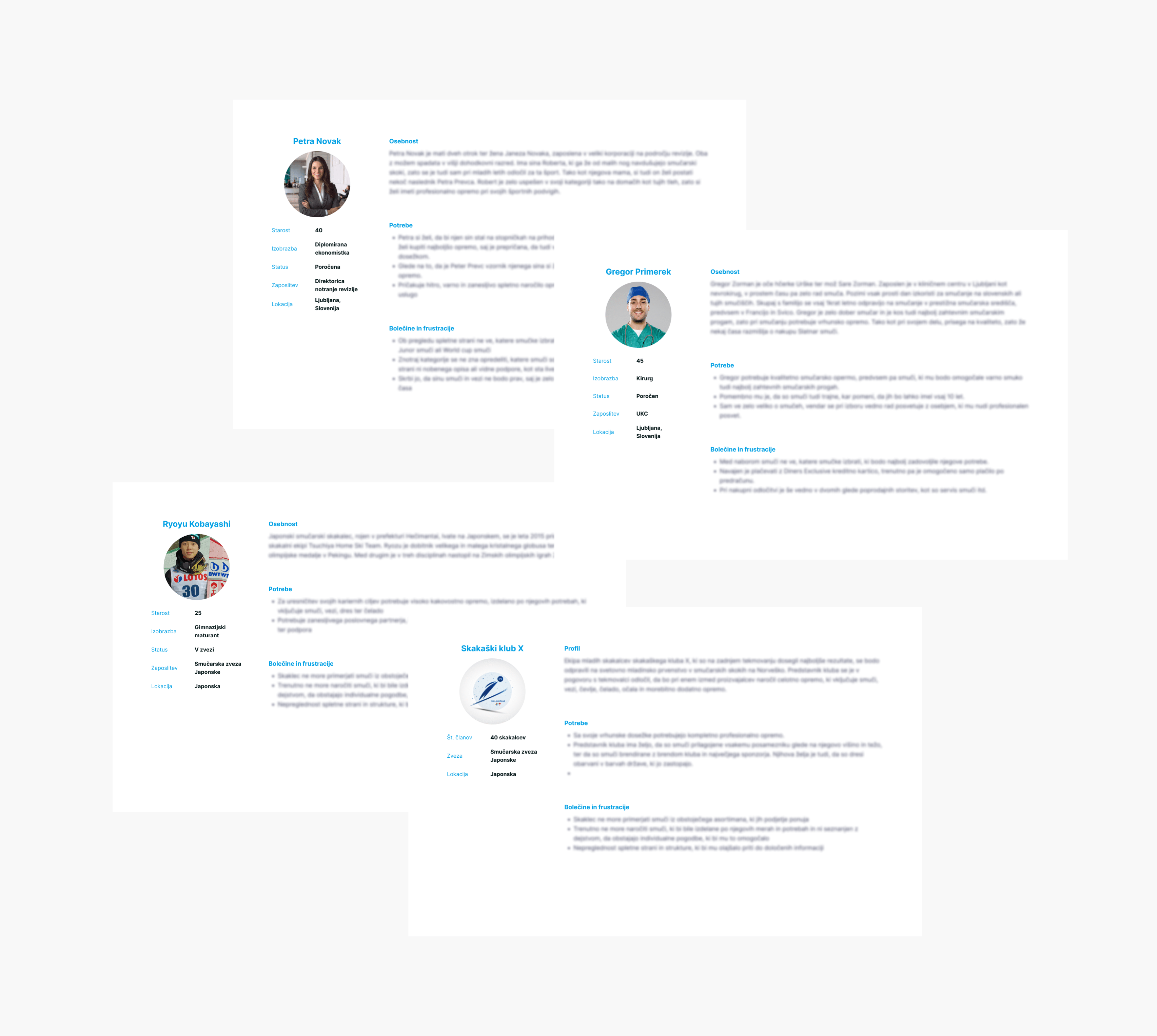
Our process began with extensive industry research and the identification of target groups, which led to the creation of four user personas to highlight key pain points. We then mapped the customer journey, developed sitemaps, and wireframes, and focused on design and responsiveness to create a seamless user experience.

About the company
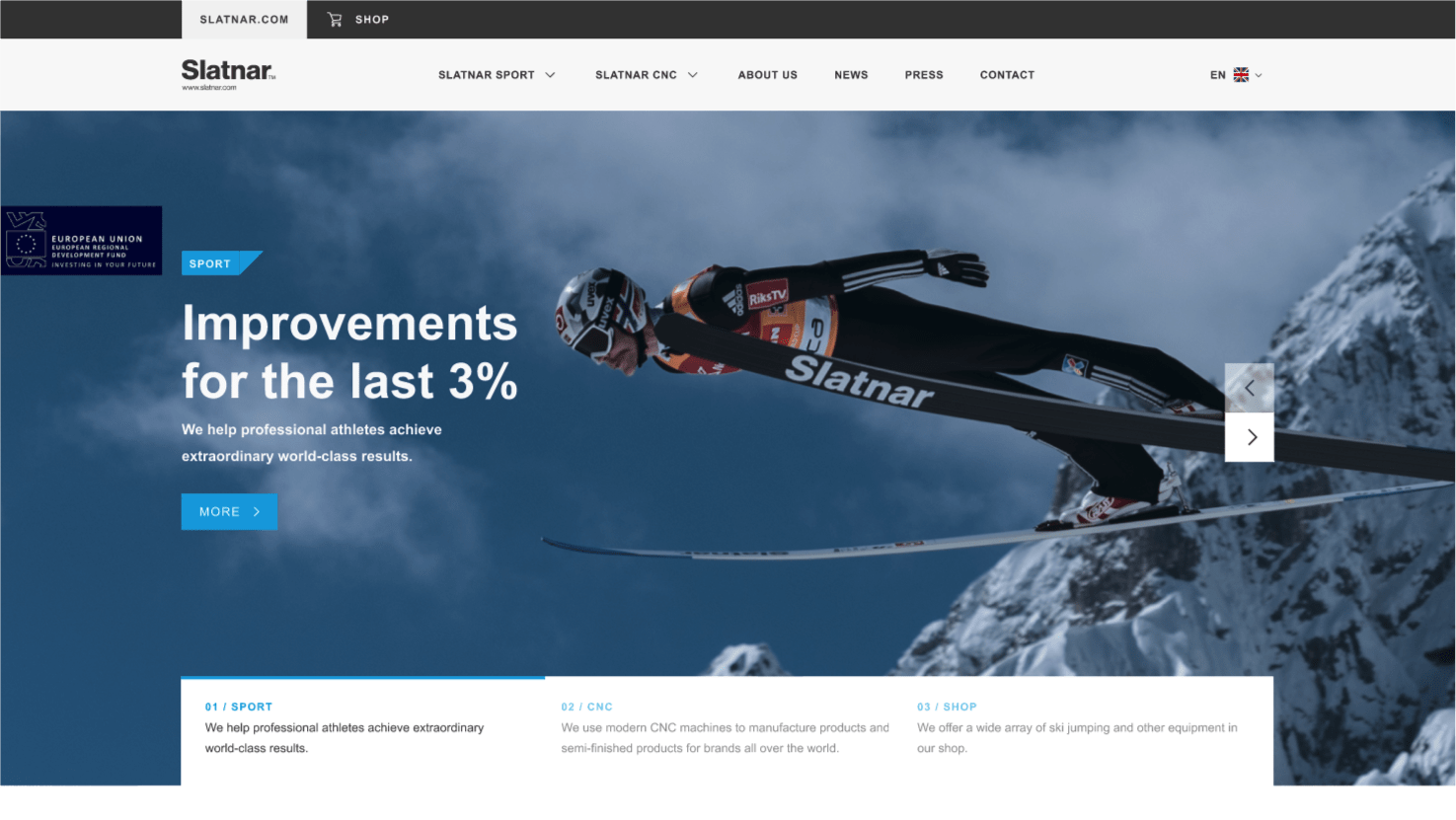
The company began in 1972 as a metal processing workshop. After a successful ski jumping career, Peter Slatnar dedicated himself to producing ski jumping ties and other sports products. Today, the company specializes in ski jumping skis, bindings, and equipment, and has expanded to include ski touring gear. Their products are used by world champions worldwide.
Additionally, the company excels in CNC technology, producing various products and semi-finished goods for diverse industries. Their expertise and advanced technology allow them to meet the unique needs of each client.
Project objectives
- Enhance the site’s layout and make key information more accessible.
- Streamline and modernize the entire purchasing process.
- Optimize and enhance the user experience on mobile devices.
Identification of target audiences
At the project’s inception, we conducted a workshop with company representatives. During this session, we gathered extensive information about the company, its key customers, internal processes, and the challenges they encounter.
Using the information gathered, we precisely defined our target audiences.

User personas
The target groups identified in the previous step provided an excellent foundation for creating “imaginary” customers, or user personas.
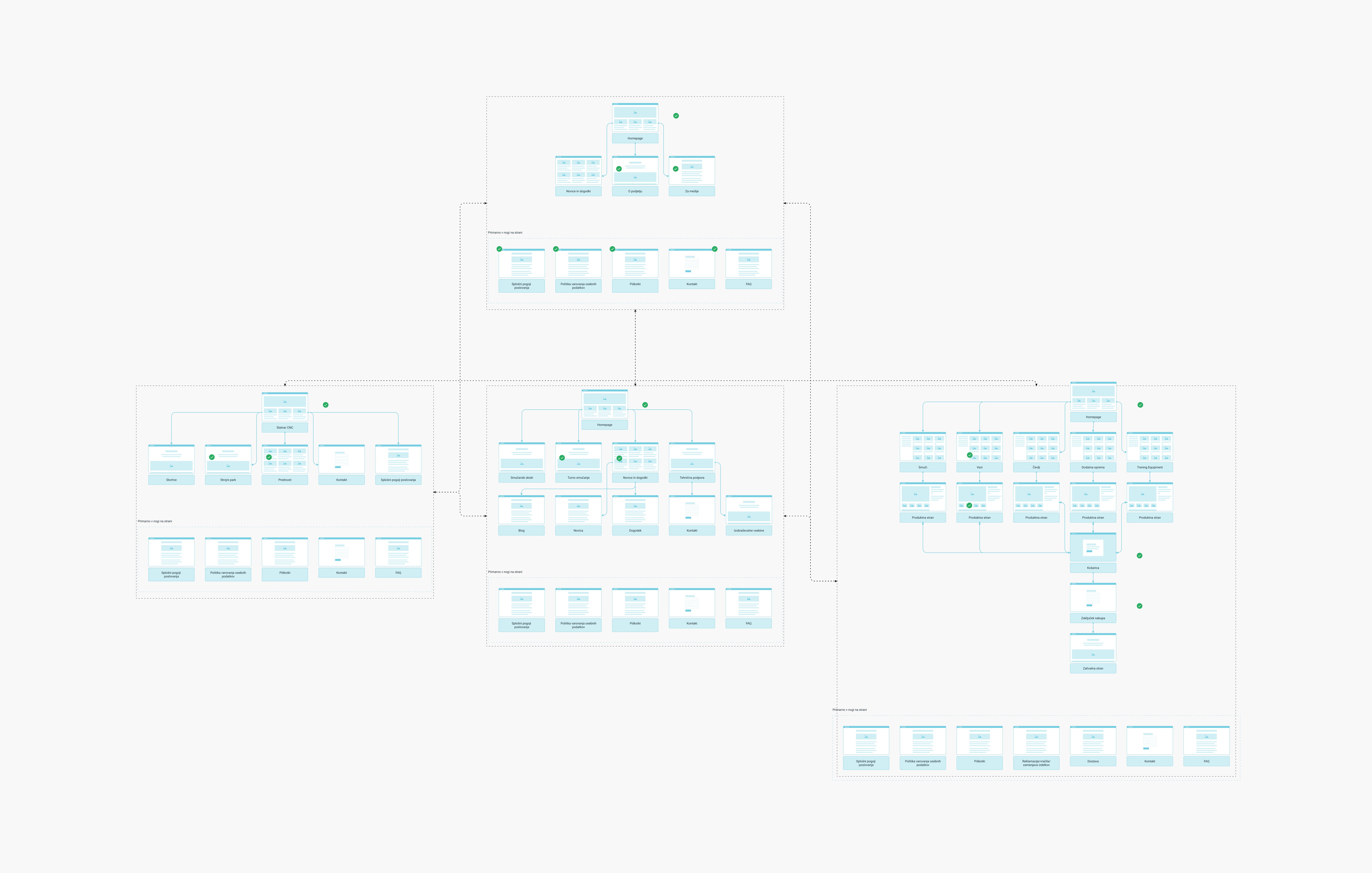
Sitemap
The target groups identified in the previous step provided an excellent foundation for creating “imaginary” customers, or user personas.
Wireframes
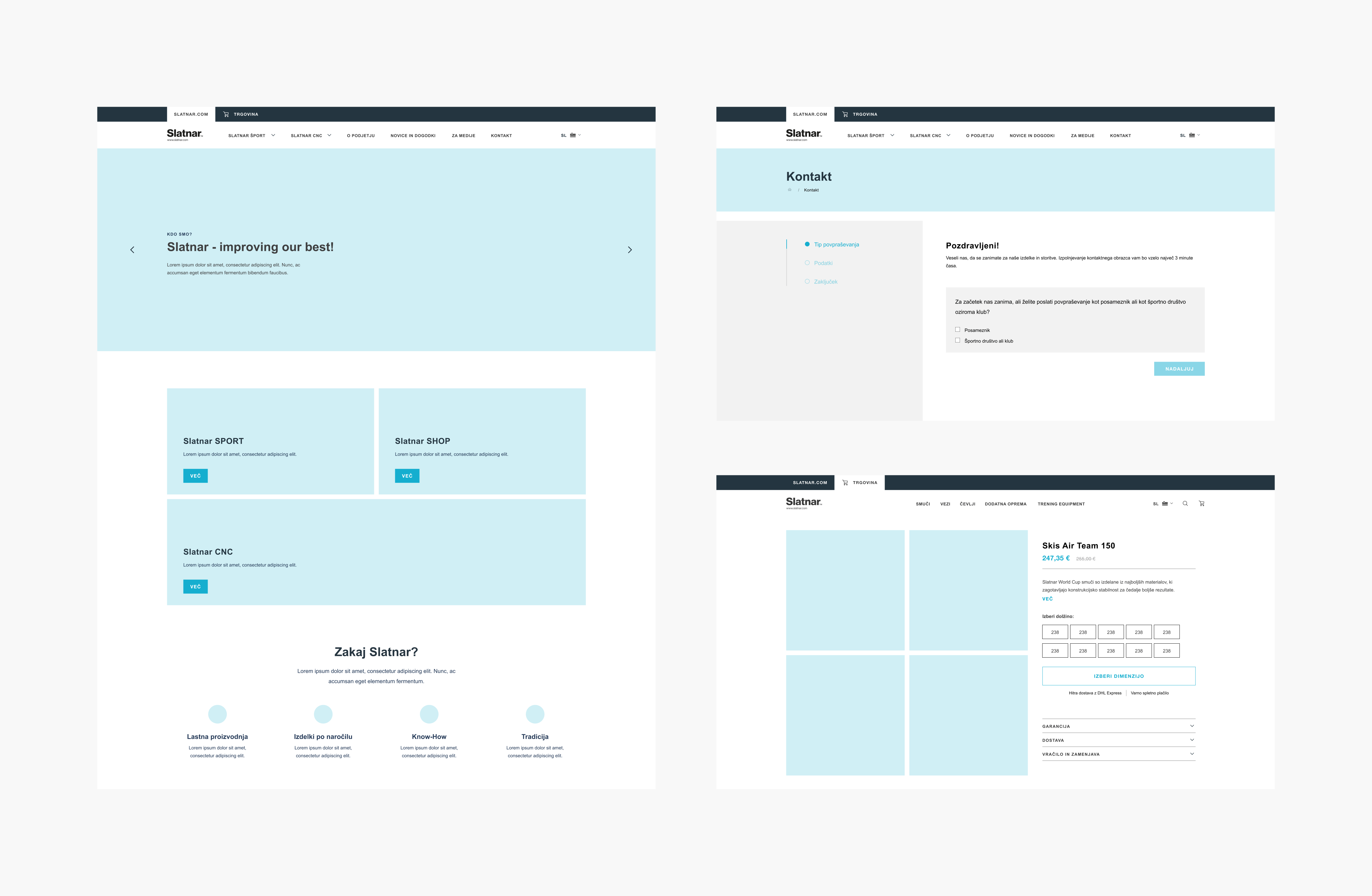
With all the gathered information and established foundations, we created the wireframe. We then refined it in real-time, incorporating results from testing and feedback from customers.
Visual Style Guides
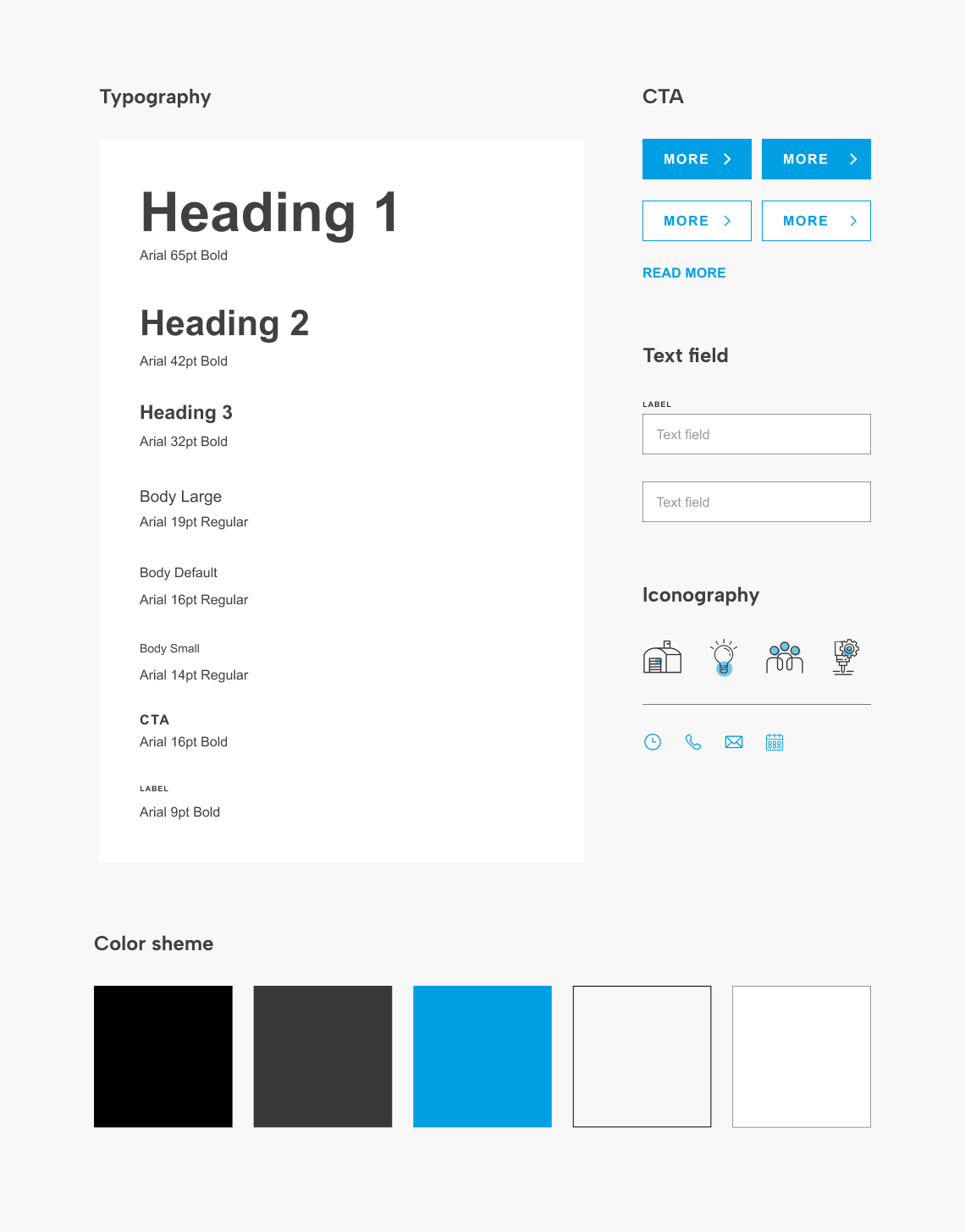
Drawing from the company’s unified graphic image and new strategy, we developed visual style guides that embody the brand and effectively communicate the right message to the target audience.
High-fidelity design & prototype
With the key product design elements finalized, we were prepared to deliver the design ready for coding.
Before passing it to the development department, we created a mobile version design and a prototype matching the live website for testing purposes. We made necessary adjustments based on the testing feedback before the final handoff to the development team.